

Apple mango season is one of the most eagerly anticipated moments in the tropical fruit calendar. The apple mango arrives each year like a brief and brilliant window of abundance, filling market stalls and fruit shops with one of the most strikingly beautiful and intensely flavored mangoes in the world. Round, blush-red, and deceptively small, the apple mango delivers a sweetness and aromatic complexity that its modest appearance gives no warning of. If you have never eaten one at peak ripeness during apple mango season, bought at exactly the right moment, you have not yet experienced what a mango can truly be.
At Mau Fruits, we follow the tropical fruit calendar closely throughout the year. This ultimate guide covers everything you need to know about apple mango season: when it arrives, where the best fruit comes from, how to identify a perfectly ripe specimen at the market, and the best ways to enjoy this extraordinary fruit once you bring it home.
What Is the Apple Mango?
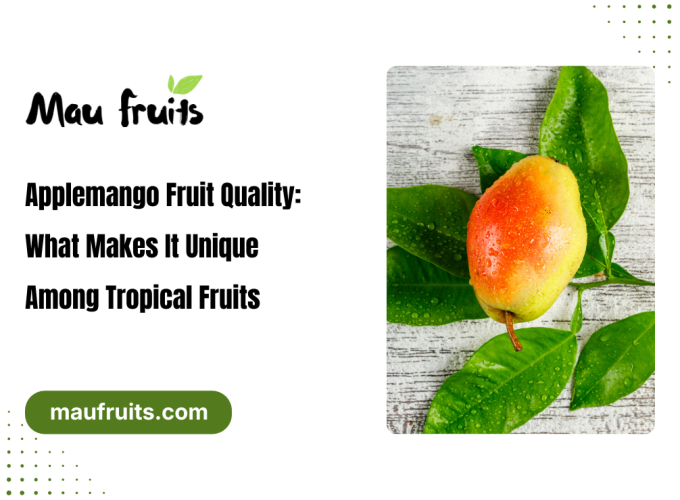
The apple mango is not a single formally classified botanical variety. Rather, it is a regional name applied to several mango cultivars that share a distinctive round to oval shape, a characteristic red and yellow blush skin, and a compact size roughly comparable to a large apple. This is how the fruit earned its name, though it shares nothing in flavor or texture with an apple. Once you taste it during apple mango season, the comparison dissolves into an experience that is entirely, unmistakably tropical.
In different parts of the world, apple mango describes related but distinct local varieties. In Kenya and East Africa, the name refers primarily to a round, red-blushed mango with deep orange flesh that has become one of the most commercially important varieties in the region. In the Philippines, apple mango often refers to compact cultivars with similarly vivid coloring. In parts of Southeast Asia and the Caribbean, local variations of the apple mango type are grown under regional names that reflect their specific genetic heritage.
What unites all of these varieties under the apple mango name is their shared visual profile and flavor character. Apple mangoes are typically smaller and rounder than elongated Alphonso or Kent varieties. Their skin shifts from green through yellow to deep red as they ripen, producing one of the most visually appealing color combinations in the entire mango family. The flesh is deep orange, fibreless or very low-fibre, intensely sweet, and highly aromatic with notes of citrus, peach, and tropical flowers layered beneath the dominant mango character. According to the Food and Agriculture Organization of the United Nations, mango is among the top five most consumed tropical fruits worldwide, with consumer demand growing consistently year on year.
When Is Apple Mango Season? A Month-by-Month Guide
Understanding apple mango season is the foundation of buying and eating this fruit well. Apple mangoes, like all mango varieties, have a defined seasonal window during which the fruit is at its absolute natural best. Outside of this window, the fruit either does not exist in fresh form or has been stored and transported from distant origins in ways that compromise the flavor and texture that make apple mango season worth waiting for.
Apple Mango Season in East Africa: November to February
In Kenya, Tanzania, and the broader East African region where apple mango production is most commercially significant, the main apple mango season typically runs from November through February. This period aligns with the warm, dry weather that follows the short rains and provides the combination of heat and reduced humidity that drives sugar accumulation and optimal flavor development in mango fruit. A secondary, smaller apple mango season may occur between June and August in some growing regions depending on local rainfall and temperature patterns.
Kenyan apple mangoes harvested at the peak of the November to February main season are among the finest examples of the variety available anywhere in the world. The combination of Kenya’s high-altitude growing regions, well-drained volcanic soils, and the particular temperature profiles of the East African climate produce fruit with exceptional sweetness, complex aroma, and a deep orange flesh color that signals high carotenoid content alongside outstanding flavor.
Apple Mango Season in Southeast Asia: March to June
In the Philippines, Thailand, and neighboring Southeast Asian countries, the primary apple mango season runs from March through June, coinciding with the hot dry season that precedes the monsoon rains. This period produces the highest quality fruit of the year in these regions, with peak flavor and sweetness typically occurring in April and May. A secondary season may follow after the monsoon in some areas, though the quality of post-monsoon apple mango is generally considered inferior to that of the hot dry season harvest.
Year-Round Apple Mango Availability in Global Markets
The staggered apple mango season calendars of different producing regions mean that apple mangoes can be found in international markets across a longer collective window than any single region’s season allows. When East African production peaks in December and January, Southeast Asian fruit is still months away. When Southeast Asian production peaks in April and May, East African apple mango season has finished for the year. This geographic diversity of supply gives apple mango a near year-round presence in premium tropical fruit markets globally.
Where Do the Best Apple Mangoes Come From?
Not all apple mangoes are equal, and understanding the origin of the fruit you are buying gives you important information about what to expect in terms of flavor, quality, and freshness. The best apple mangoes consistently come from regions with the specific combination of climate, soil, and agricultural tradition that allows the variety to express its full quality potential during apple mango season.
Kenya: The World’s Finest Apple Mango Season Fruit
Kenya produces what many mango specialists consider the finest apple mangoes in the world. The growing regions around Mombasa, Malindi, Kilifi, and the lower-altitude parts of the Tana River region produce fruit with exceptional sweetness and complex aromatic depth. Kenyan apple mangoes exported to European and Middle Eastern markets during the November to February apple mango season command premium prices and are sought out by specialist retailers and chefs who prioritize flavor above all other considerations.
Philippines
The Philippines has a long and distinguished mango tradition, and its apple mango cultivars benefit from the country’s ideal tropical climate and generations of horticultural expertise. Philippine apple mangoes are known for their particularly vivid red blush skin and intensely sweet flesh with a notably low fibre content that gives them an almost custard-like texture at peak ripeness during apple mango season.
Tanzania and Uganda
Tanzania and Uganda both produce apple mangoes of high quality during the East African apple mango season, available in regional markets and exported in smaller volumes to European specialty retailers. Tanzanian apple mangoes from the coastal regions around Zanzibar and Dar es Salaam are particularly well regarded for their balance of sweetness and aromatic intensity. Learn more about how we source premium tropical fruit on our About Us page.
How to Pick a Perfectly Ripe Apple Mango
Selecting a perfectly ripe apple mango at the market is a skill that improves quickly with practice. During apple mango season the fruit moves fast, and knowing how to assess ripeness confidently allows you to buy at the exact right moment every time.
Assess the Color of Your Apple Mango
Color is the most immediately visible ripeness indicator for apple mango. A fully ripe apple mango will show a deep red blush covering a significant portion of the skin, with the remaining skin transitioning from green through yellow as the base color. The deeper and more evenly distributed the red coloration, the more advanced the ripeness. Avoid apple mangoes with dull, wrinkled, or shriveled skin as these signs indicate the fruit has passed its peak. Avoid fruit with black spots, soft sunken patches, or areas of discoloration that suggest bruising beneath the surface.
Use the Squeeze Test
Gentle pressure is one of the most reliable ripeness indicators for apple mango during the season. A ripe fruit will yield slightly to gentle thumb pressure at its fullest point, similar to the way a ripe peach or avocado responds. The yield should be gentle and even, not soft and mushy which indicates overripeness, and not completely firm and unyielding which indicates the apple mango needs more time to ripen.
Follow Your Nose
Aroma is perhaps the single most reliable indicator of apple mango quality and ripeness during apple mango season. A ripe apple mango at peak condition produces a powerful, sweet, intensely tropical fragrance detectable from several centimeters away when you hold the fruit near your nose and breathe in near the stem end. The scent should be unmistakably fruity and complex, with notes of citrus, peach, and tropical flowers layered over the deep mango base. No aroma means the fruit is not yet ripe. A fermented or off smell means it has passed its peak.
Check the Stem End
The area around the stem of an apple mango reveals important information about its post-harvest condition. A ripe fruit will often show a small indentation or softening around the stem where it naturally detached from the tree. Any sign of mold, oozing sap, or deep cracks around the stem suggests post-harvest handling problems that may have compromised the internal quality of the apple mango.
How to Ripen Apple Mangoes at Home After Apple Mango Season Shopping
If the apple mangoes available at your market are not yet fully ripe, there is no need to be discouraged. Apple mangoes ripen reliably at room temperature once harvested, and with the right approach you can bring a firm apple mango to perfect ripeness within two to four days at home.
Place unripe apple mangoes on a clean, dry surface at room temperature away from direct sunlight. Do not refrigerate unripe apple mangoes as cold temperatures interrupt the natural ripening process and can cause cold damage to the flesh that prevents proper flavor development. To accelerate ripening, place your apple mangoes in a paper bag along with a ripe banana or apple. Ethylene gas produced by these fruits concentrates inside the bag and speeds up the apple mango ripening process significantly, often reducing the time needed by a full day or more.
How to Cut and Prepare an Apple Mango
The apple mango has a flat oval stone at its center that runs lengthwise through the fruit. Stand the mango upright on a cutting board with the stem end up. Place your knife slightly off center and slice downward parallel to the stone, cutting one large cheek of flesh from the fruit. Repeat on the other side to yield two large cheeks and a central slice containing the stone.
Score the flesh of each cheek in a crosshatch pattern, cutting down to but not through the skin. Push the skin upward from below to invert the cheek and fan out the scored flesh. The cubed flesh can then be eaten directly from the skin or sliced off cleanly for use in recipes. The flesh remaining around the stone can be peeled and eaten over the sink, enjoying the intensely sweet juice that runs freely from a perfectly ripe apple mango at the height of apple mango season.
Best Ways to Eat Apple Mango at Peak Season
The apple mango is exceptional eaten simply as fresh fruit, and the best way to enjoy a perfectly ripe specimen during apple mango season is often the simplest: sliced, chilled, and eaten without distraction. But the fruit’s exceptional flavor profile also makes it one of the most versatile tropical ingredients in the kitchen. Research published by Healthline confirms that mango is rich in vitamins, antioxidants, and digestive enzymes, reinforcing its status as a genuinely nutritious fruit alongside its extraordinary flavor.
Fresh and Chilled Apple Mango
A cold, ripe apple mango sliced cleanly and eaten fresh is one of the great simple pleasures of the season. Chilling the fruit for one hour before cutting concentrates the perception of sweetness on the palate and makes the aromatic compounds in the flesh even more vivid. Eat it plain, add a squeeze of lime, or scatter a little chili salt over the top for a combination of sweet, sour, and spicy that showcases the apple mango’s complex flavor brilliantly.
Smoothies and Juices
The deep orange, low-fibre flesh of the apple mango blends into one of the most luxurious tropical smoothies imaginable. Combined with coconut milk, a squeeze of lime, and ice, it creates a drink of extraordinary richness and aromatic complexity. Apple mango juice pressed fresh and served immediately over ice requires no sweetening and needs nothing added to make it a complete and deeply satisfying drink in its own right during apple mango season.
Salads and Salsas
Diced apple mango brings sweetness, color, and tropical fragrance to both fruit salads and savory salsas. A simple salsa combining diced apple mango with red onion, fresh coriander, lime juice, and a little fresh chili makes an outstanding accompaniment to grilled fish, chicken, or pork. Explore the full range of tropical ingredients and spices that complement the apple mango in our ingredients and spices collection.
Desserts and Sweet Dishes
Apple mango is outstanding in desserts where its natural sweetness reduces the need for added sugar. Mango sorbet made with apple mango flesh and a little lime juice is one of the most purely flavored frozen desserts you can make. Apple mango pavlova, mango cheesecake, panna cotta, and mango tart all benefit enormously from the superior flavor that apple mango delivers at the height of apple mango season.
Chutneys and Preserves
Apple mango chutney cooked with ginger, mustard seeds, vinegar, and brown sugar produces a condiment of complex depth that transforms grilled meats, cheese boards, and sandwiches. Apple mango jam set with a little pectin and brightened with lime zest captures apple mango season flavor in a jar to enjoy long after the fresh fruit has left the market for another year.
Nutritional Benefits of Apple Mango
The apple mango is not just a pleasure for the palate. It is a genuinely nutritious fruit that delivers a meaningful range of vitamins, minerals, and bioactive compounds. The deep orange color of the flesh is a direct visual indicator of high beta-carotene content, a powerful antioxidant the body converts to Vitamin A. It supports eye health, immune function, and skin integrity.
A single cup of diced apple mango provides substantial Vitamin C for immune defense and collagen production, Vitamin B6 for brain function and mood regulation, folate for cellular repair, dietary fiber for gut health, and natural sugars for clean rapid energy. The combination of beta-carotene, Vitamin C, and polyphenol antioxidants makes apple mango one of the most nutritionally dense options in the fresh tropical fruit category.
How to Store Apple Mangoes Correctly
Correct storage preserves the flavor, aroma, and texture that make apple mango exceptional during season. Unripe apple mangoes should always be stored at room temperature and never refrigerated until fully ripe. Cold temperatures applied to unripe apple mangoes cause chilling injury that disrupts the normal ripening process and produces grey, discolored, or unevenly textured flesh.
Once fully ripe, move apple mangoes to the refrigerator at temperatures between 8 and 12 degrees Celsius. Ripe apple mangoes will maintain quality for two to four days. Cut apple mango should be stored in an airtight container in the refrigerator and consumed within 24 to 48 hours for the best possible experience.
Make the Most of Apple Mango Season Every Year
Apple mango season, however long or short it runs in your local market, is one of the genuine highlights of the tropical fruit calendar. When apple mango season is at its peak, buying generously and using the fruit enthusiastically across as many meals and preparations as possible is the only sensible approach. Seek out the best source of apple mangoes available to you, ask questions about origin and harvest timing, and buy from suppliers who understand and respect the seasonal nature of truly great tropical fruit.
For more expert guides on tropical fruits and when to buy them at seasonal best, visit the Mau Fruits Blog. Discover our full range of premium tropical produce at Mau Fruits, or reach out to our team directly through our contact page for guidance on sourcing the finest tropical fruits the world has to offer.